

Starting an ecommerce business doesn’t always require a big investment. In today’s digital age, with the rise of user-friendly platforms, online marketplaces, and powerful digital tools, almost anyone can start a profitable ecommerce business from the comfort of their home. Whether you are looking to create a side income or a full-time venture, exploring ecommerce business ideas can open up a world of opportunities.
This blog will dive deep into practical steps, real-life examples, and actionable tips to help you choose the best ecommerce business ideas suited to your skills and interests. By the end, you’ll understand how to launch and grow your own ecommerce business, explore a variety of ecommerce business ideas, and implement strategies that lead to long-term success in the online marketplace. Starting an ecommerce business has never been easier, and by leveraging these ecommerce business ideas, you can create a sustainable, profitable, and scalable online venture from home.
Why Start an Ecommerce Business?
- Low Entry Barrier: No need for a physical shop or heavy inventory.
- Flexibility: Work from home with your own schedule.
- Scalable: Start small and expand as your profits grow.
- Global Reach: Sell to customers worldwide through online platforms.
- Financial Independence: Build a side income or even a full-time business.
For more insights, visit Shopify’s guide on ecommerce.
Popular Ecommerce Business Ideas to Start Today
1. Dropshipping
Investment Needed: Minimal
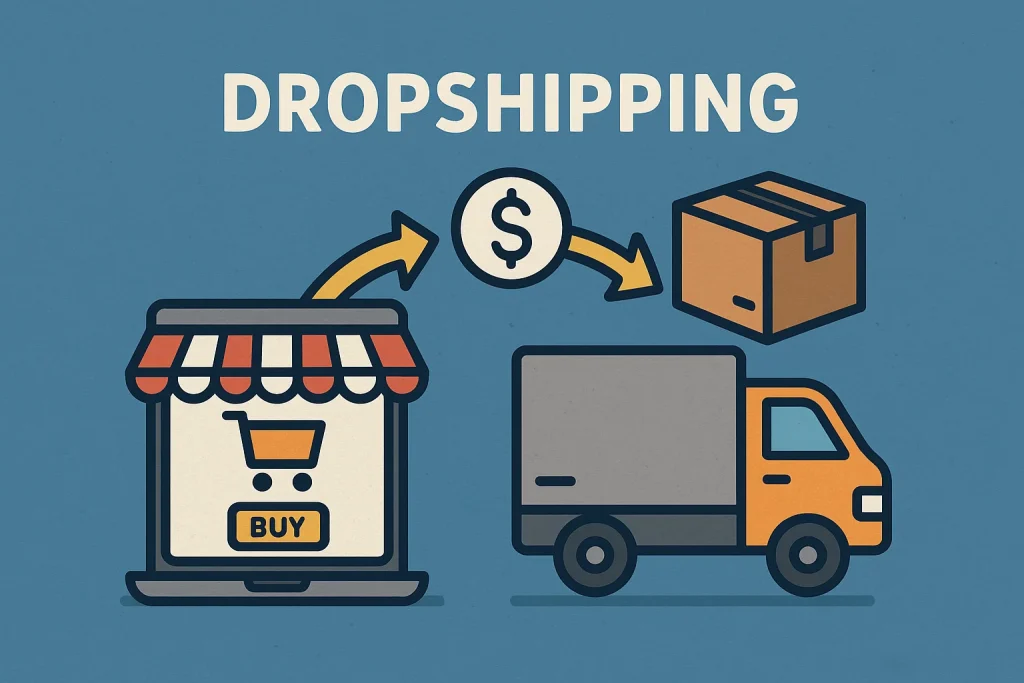
Dropshipping allows you to sell products without holding stock. When a customer places an order, the supplier ships the product directly. This model is one of the most popular ecommerce business ideas.
Why It Works:
- No inventory management
- Wide range of products
- Easy to scale
How to Start:
- Choose a niche (eco-friendly gadgets, fitness gear, pet accessories).
- Find reliable suppliers on Spocket, AliExpress, or Oberlo.
- Build your store with Shopify or WordPress.
- Promote through social media and paid ads.
Example: Many dropshippers start with $100–$200 and scale up to thousands in monthly profit.
2. Print-on-Demand (POD)
Investment Needed: Low
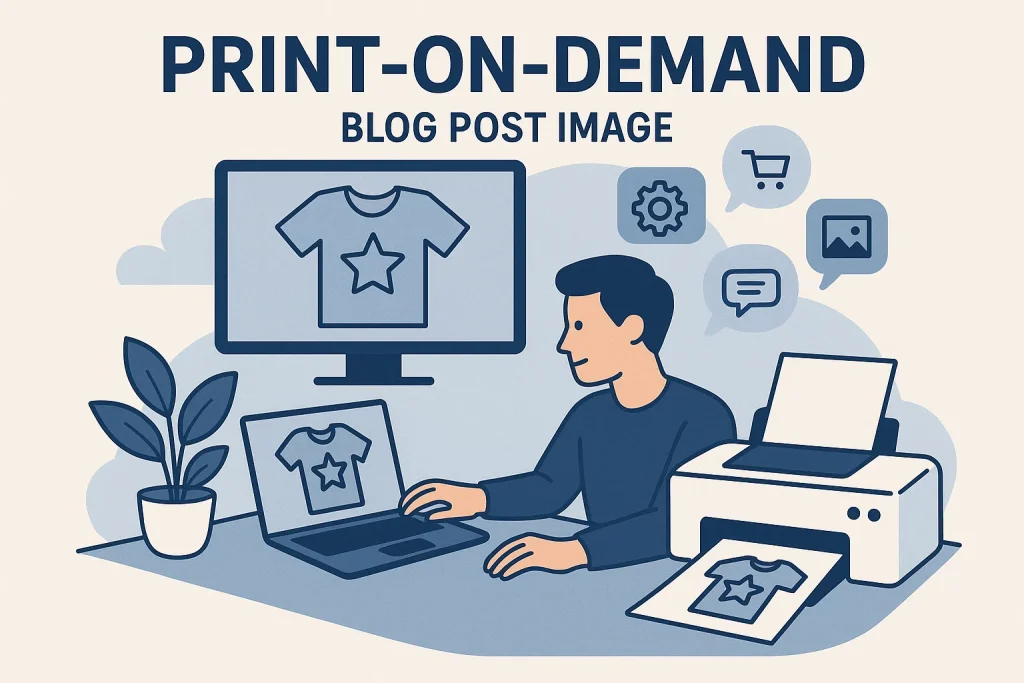
With POD, you create custom products like t-shirts, mugs, or phone cases and print them only when ordered. Platforms like Printful or Teespring integrate with ecommerce stores.
Why It Works:
- Low upfront costs
- Great for creative entrepreneurs
- Trend-driven business
How to Start:
- Design products using Canva or Photoshop.
- Connect POD provider to Shopify/Etsy.
- Promote on Instagram, TikTok, or Pinterest.
Pro Tip: Target niche audiences with unique designs, like motivational quotes or pet-themed apparel.
3. Digital Products
Investment Needed: Very Low
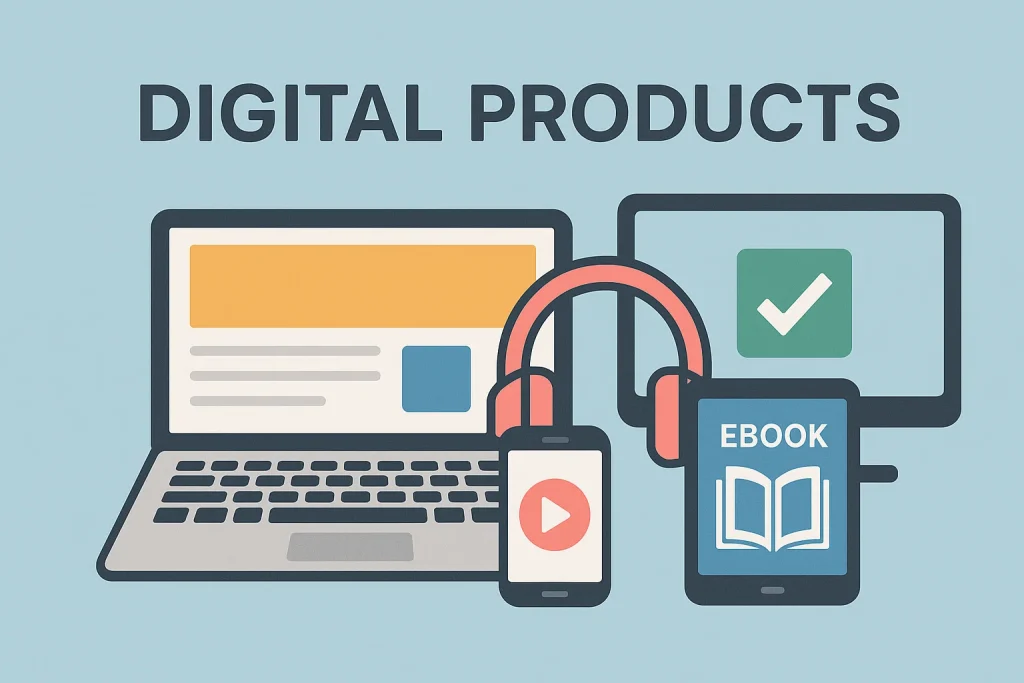
Digital products such as eBooks, courses, templates, or printables require minimal investment and can be sold repeatedly.
Why It Works:
- No shipping cost
- Unlimited scalability
- High profit margins
How to Start:
- Identify a skill you can teach (photography, marketing, coding).
- Create a simple digital product (guide, course, template).
- Sell on Gumroad, Etsy, or your website.
Example: Fitness trainers selling digital workout plans earn passive income with almost no upfront cost.
4. Handmade Crafts

Investment Needed: Small
Selling handmade items like jewelry, candles, soaps, or home décor can be profitable. Platforms include Etsy, Amazon Handmade, or Instagram Shops.
Why It Works:
- Unique and personalized items
- Builds loyal audience
- Customers value handmade goods
How to Start:
- Decide product type (candles, jewelry, skincare).
- Create small batches at home.
- Sell on Etsy, Amazon Handmade, or Instagram.
Pro Tip: Show your creative process on TikTok or Instagram Reels.
5. Affiliate Marketing

Investment Needed: Very Low
Promote others’ products and earn a commission per sale. Run a blog, YouTube channel, or social media account for affiliate marketing.
Why It Works:
- No inventory or shipping
- Flexible niche options
- Passive income potential
How to Start:
- Pick a niche (health, finance, lifestyle).
- Join affiliate programs like Amazon Associates or ShareASale.
- Create valuable content (blogs, videos, social posts).
Example: Bloggers earn thousands monthly through affiliate links in niche blogs.
6. Reselling (Thrift or Wholesale)
Investment Needed: Low to Moderate
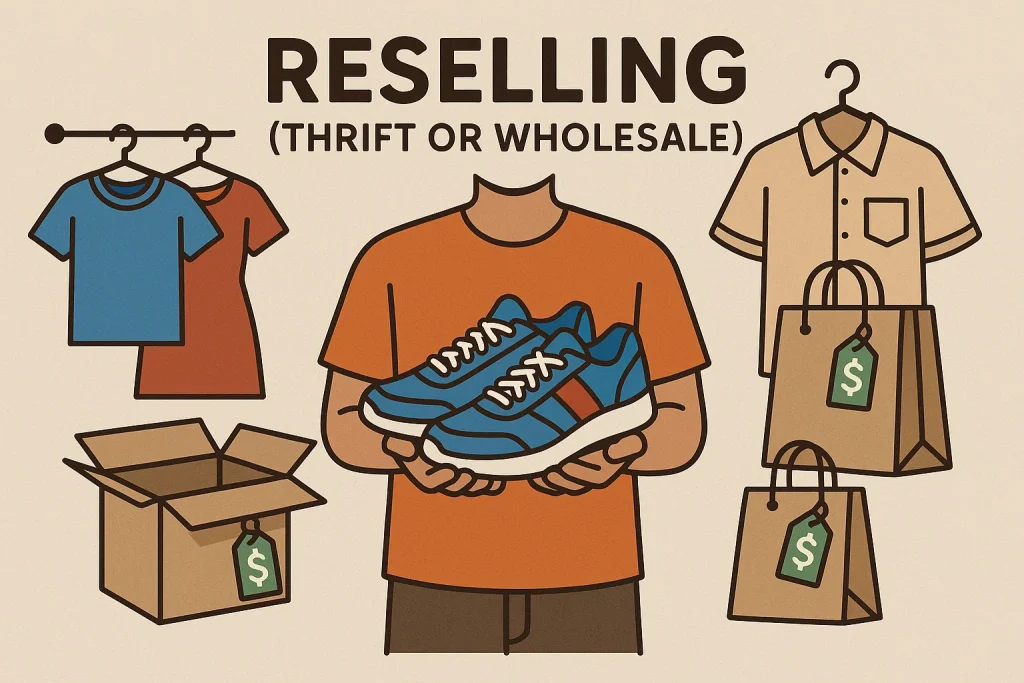
Buy products at thrift stores, wholesale markets, or clearance sales and resell online.
Why It Works:
- Simple to start
- Good profit margins
- Works on eBay, Amazon, or social media
How to Start:
- Visit local thrift stores or wholesalers.
- Buy trending or in-demand items.
- Resell on eBay, Amazon, or Facebook Marketplace.
Pro Tip: Focus on fashion accessories, tech gadgets, or collectibles.
7. Subscription Boxes
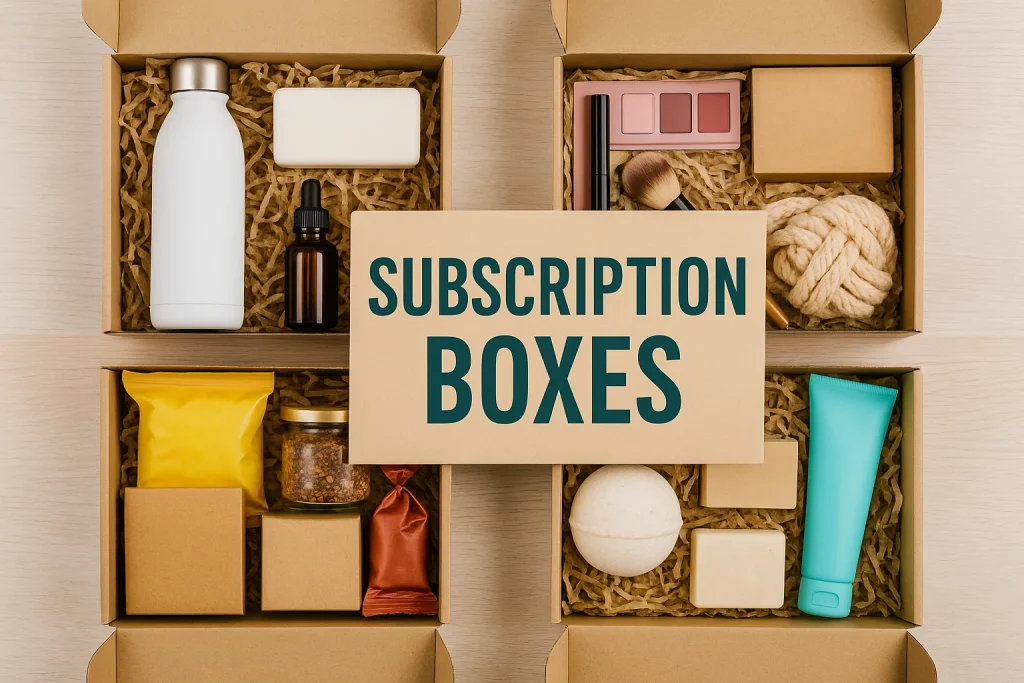
Investment Needed: Low (depends on niche)
Curate and deliver subscription boxes around themes like beauty, snacks, books, or pet supplies.
Why It Works:
- Recurring revenue model
- Strong customer loyalty
- Great for niche targeting
How to Start:
- Pick a theme (self-care, fitness, stationery).
- Source products from local suppliers.
- Build a subscription site or use platforms like Cratejoy.
Example: Snack subscription boxes are trending worldwide.
8. Freelance Services Turned into Ecommerce
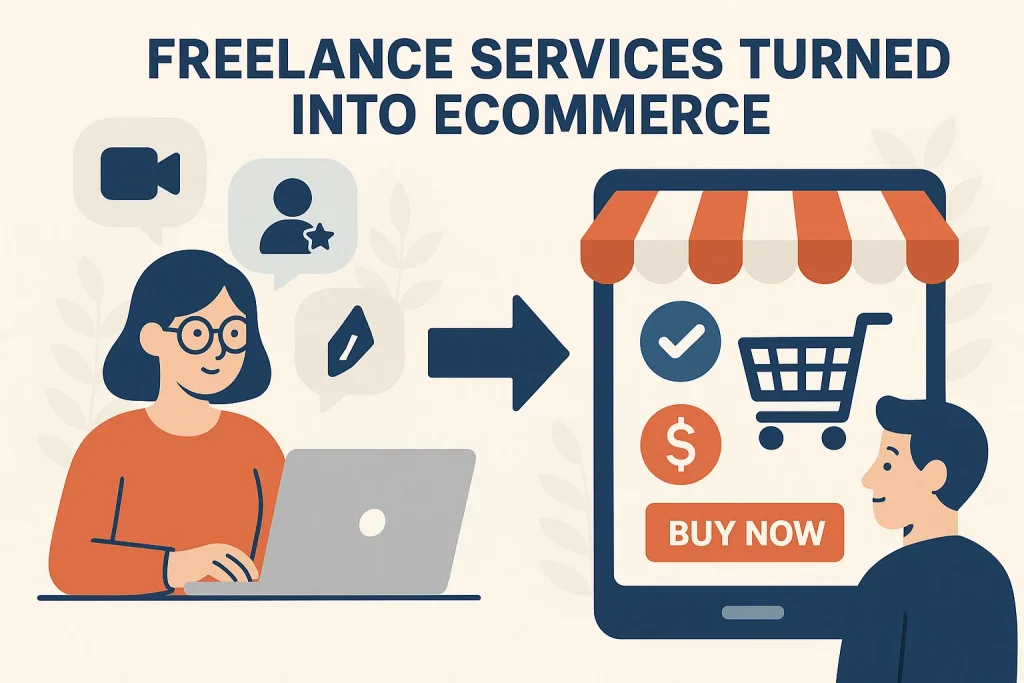
Investment Needed: Very Low
Package skills like graphic design, writing, marketing, or coding as fixed-price offerings.
Why It Works:
- No physical product needed
- High demand for digital services
- Quick to set up
How to Start:
- Define 2–3 service packages.
- Add pricing on your site.
- Promote via LinkedIn, Upwork, Fiverr, or your portfolio.
Pro Tip: Include testimonials or case studies for trust.
Bonus – Ecommerce Business Ideas
- Online Tutoring: Teach math, coding, or language online.
- Social Media Consulting: Help small businesses grow online.
- Virtual Assistant: Provide admin or tech support remotely.
Tips for Starting an Ecommerce Business Ideas
- Start Small: Don’t over-invest initially.
- Pick a Niche: Focus on a specific audience.
- Use Free Tools: Canva, Google Analytics, free SEO plugins.
- Leverage Social Media: Instagram, TikTok, and Facebook.
- Optimize for SEO: Research keywords and create valuable content.
- Test & Adapt: Start with a few products, then scale.
- Build an Email List: Engage customers long-term.
- Track Finances: Keep expenses low, reinvest profits.
FAQs About Ecommerce Business Ideas
How much money do I need to start?
Ans: Many ideas require under $200 to get started.
Can I run an ecommerce business part-time?
Ans: Yes, most ecommerce business ideas are flexible.
Which business model has the least risk?
Ans: Digital products and affiliate marketing require almost no upfront investment.
How fast can I make money?
Ans: Some see results within weeks, but consistent effort over 3–6 months usually pays off.
Conclusion
Starting an ecommerce business from home is possible and one of the smartest ways to build financial independence. From dropshipping and print-on-demand to digital products and services, opportunities are endless.
The key is to start small, focus on a niche, and stay consistent with marketing efforts. With dedication, your home-based ecommerce business ideas can grow into a profitable online brand. Check out our Ecommerce Solutions to get started with building and optimizing your online store.
